The Government is seeking permission to accommodate up to 1,256 people at MOD Bicester Site A for up to 10 years.
But another important part of the planning evidence remains incomplete: the ecological assessment of the site.
The application includes ecological information, but further survey work is still required before the full impact on protected species and habitats can be properly understood. That matters because planning decisions should be based on a clear picture of the environmental consequences of a development – especially one of this scale.
Why does this matter?
MOD Bicester Site A is not simply an empty piece of land.
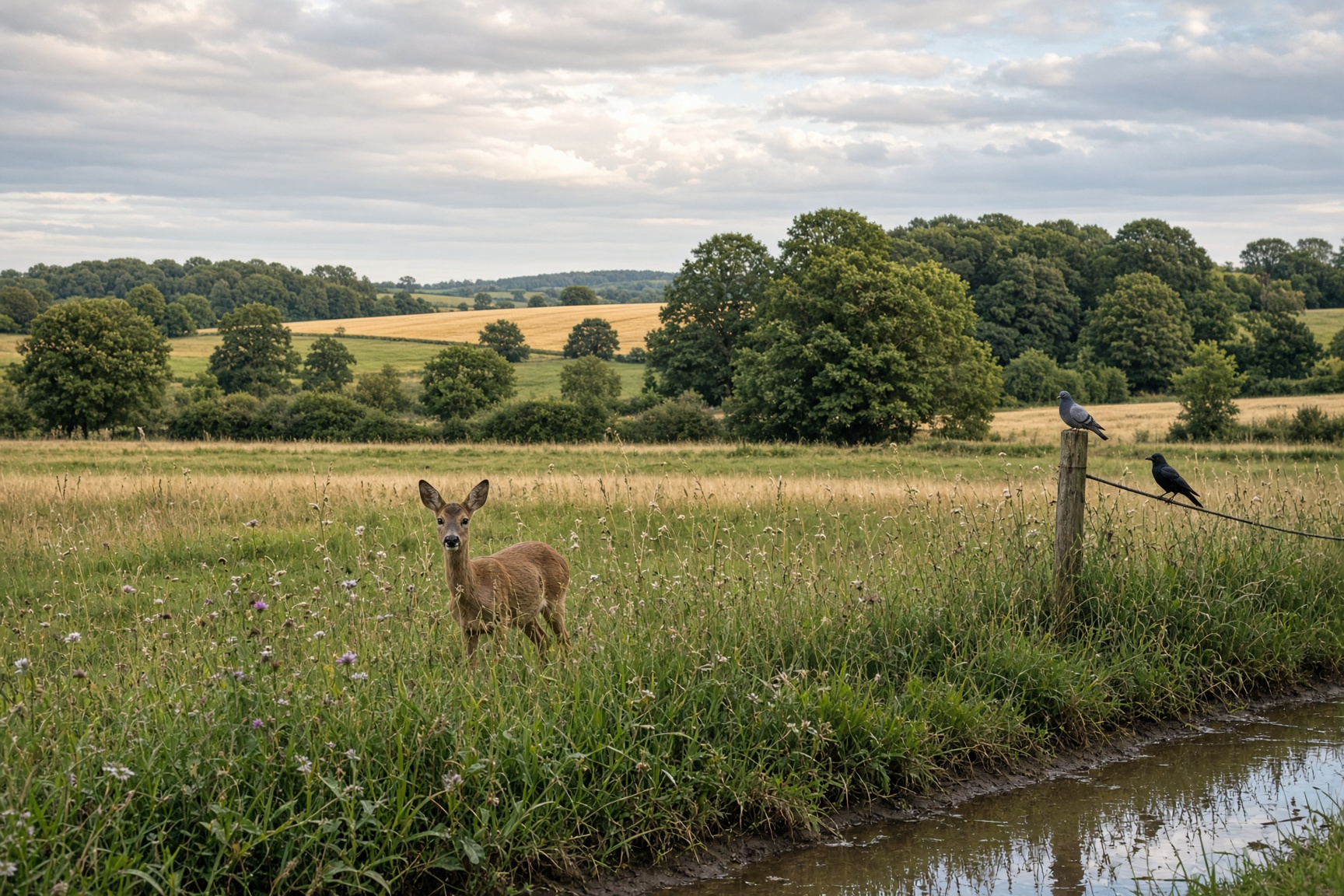
The wider area contains habitats used by a range of wildlife, and development could affect species through:
- habitat loss or disturbance
- increased lighting
- construction activity
- noise
- increased vehicle movements
- changes to drainage and vegetation
- long-term human activity on the site
Some species are also protected by law, which means their presence and the potential effects of development need to be properly assessed.
If survey work is incomplete, it becomes harder to know whether the proposed mitigation is sufficient.
Lighting is an important part of the issue
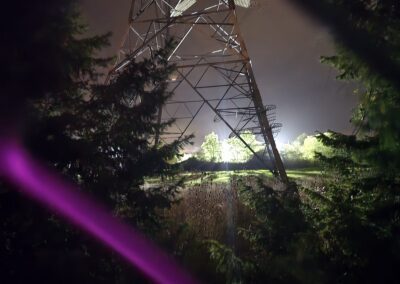
A development accommodating more than 1,200 people would inevitably require significant external lighting for roads, accommodation, security and communal areas.
Artificial lighting can have an impact on wildlife, particularly bats and other nocturnal species.
That means planners need to understand not only what species are present, but how changes in lighting could affect them over the lifetime of the development.
If that work has not yet been completed, we believe it raises a legitimate question over whether planning permission should be granted before the environmental impacts are fully understood.
Planning decisions should be based on complete evidence
The key point is not that development at Site A would automatically cause unacceptable ecological harm.
It is that the evidence should be complete before a decision is made.
Where further ecological surveys are still required, residents are entitled to ask:
- whether the full impact on protected species has been established
- whether appropriate mitigation can be designed before permission is granted
- whether lighting impacts have been fully assessed
- whether habitat loss or disturbance has been adequately considered
- whether the decision-maker has enough information to properly assess the environmental consequences
For a proposal of this scale and duration, those are important planning questions.
Ecology is a material planning consideration
Biodiversity, protected species, habitats and environmental impact are all relevant planning matters.
If you are concerned, you can raise these points in your objection.
You do not need to be an ecologist.
Simply explain that you are concerned that ecological survey work remains incomplete and that you believe the full impact on wildlife and habitats should be understood before planning permission is granted.
As always, it is best to put the point into your own words and explain why it matters to you.
Have your say before 17 September
The formal objection window closes on 17 September 2026.
We have created pre-filled emails, a full objection template and guidance on the strongest planning issues to make submitting your objection as easy as possible.
Please take a few minutes to submit your objection today.
OBJECT TO THE PROPOSAL