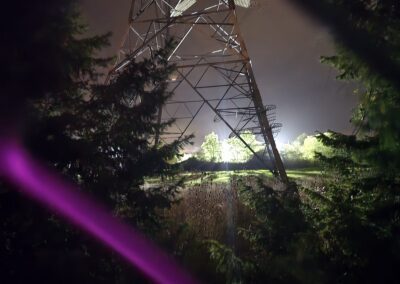
The Telegraph has reported on new ecological evidence uncovered in connection with the proposed asylum accommodation site at MOD Bicester, as scrutiny of the Government’s environmental assessment continues to grow.
Writing in The Telegraph, Home Affairs Editor Charles Hymas reports that records obtained by local resident Claire Brenner indicate the presence of protected and notable wildlife on and around the proposed site.
The article highlights a discrepancy between those records and the ecological assessment submitted as part of the Home Office’s proposals, which reported no records for several protected species.
According to The Telegraph, Claire’s research through the Thames Valley Environmental Records Centre identified records including a breeding population of great crested newts, 12 species of bats, nightingales, badgers and an otter.
The newspaper reports that the original ecological work appears to have obtained records from the Buckinghamshire and Milton Keynes Environmental Records Centre rather than the Thames Valley Environmental Records Centre, which covers Oxfordshire.
Particular attention is given to the great crested newt, a protected species under UK law. The article considers what the discovery could mean for further ecological surveys, licensing and mitigation should the development proceed.
The report also covers the wider opposition to the MOD Bicester proposal, including Piddington’s symbolic referendum and the work of Wrong Plan Wrong Site.
WPWS chairman Janet Chamdal told The Telegraph that the volunteer-led campaign is “non-political, evidence-based and respectful for the people seeking asylum”, adding that its focus is on challenging the proposal through legal channels.
The article also reports on the campaign’s efforts to raise funding for legal action and quotes Bicester and Woodstock MP Calum Miller discussing the use of legal mechanisms to challenge the Government’s plans.
The coverage comes as environmental scrutiny of the proposed development continues to increase, with questions being raised about the ecological information used to assess MOD Bicester Site A.