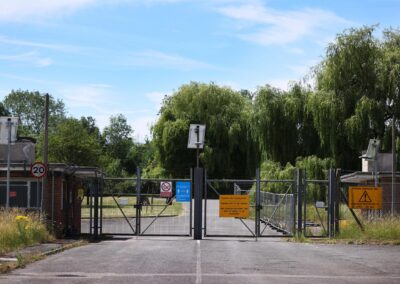
The applicant’s own documents raise significant questions about how wastewater, drainage and flooding would be managed at MOD Bicester Site A – and what those arrangements could ultimately cost.
The planning application proposes accommodation for a large number of people on a former military site, but some of the most fundamental infrastructure questions remain unresolved.
According to the applicant’s Drainage Design Statement, there is currently no confirmed evidence that either the public sewer network or the receiving wastewater treatment works has sufficient capacity to accommodate the proposed development. Foul drainage and surface water management are both identified as key project risks.
The preferred long-term solution is to connect the development to the public sewer network and Bicester Wastewater Treatment Works.
However, the applicant acknowledges that network capacity, treatment capability and environmental permitting still require confirmation.
An interim solution involving sewage tankers
In the absence of a confirmed permanent solution, the application proposes that the first phase of the development could rely on sewage being stored on site and removed by tanker. The applicant also acknowledges that tankering would not be considered viable once the development reaches full capacity.
Using the applicant’s own wastewater figures, Phase 1 alone could produce approximately 75,320 litres of sewage every day.
That could mean around:
- 6 sewage tanker loads per day
- 12 additional HGV movements per day
And that would be during the first phase, before the site reached its proposed maximum occupancy.
What could sewage tankering cost?
Using published wastewater acceptance tariffs as a benchmark, treatment charges alone have been estimated at approximately:
- £1,283 per day
- £8,978 per week
- £38,479 per month
These estimates do not include the cost of tanker hire, fuel, transport, drivers, storage infrastructure, environmental compliance or other operational costs.
That means the true cost of operating an interim sewage tankering system could be considerably higher.
Existing flooding and drainage problems
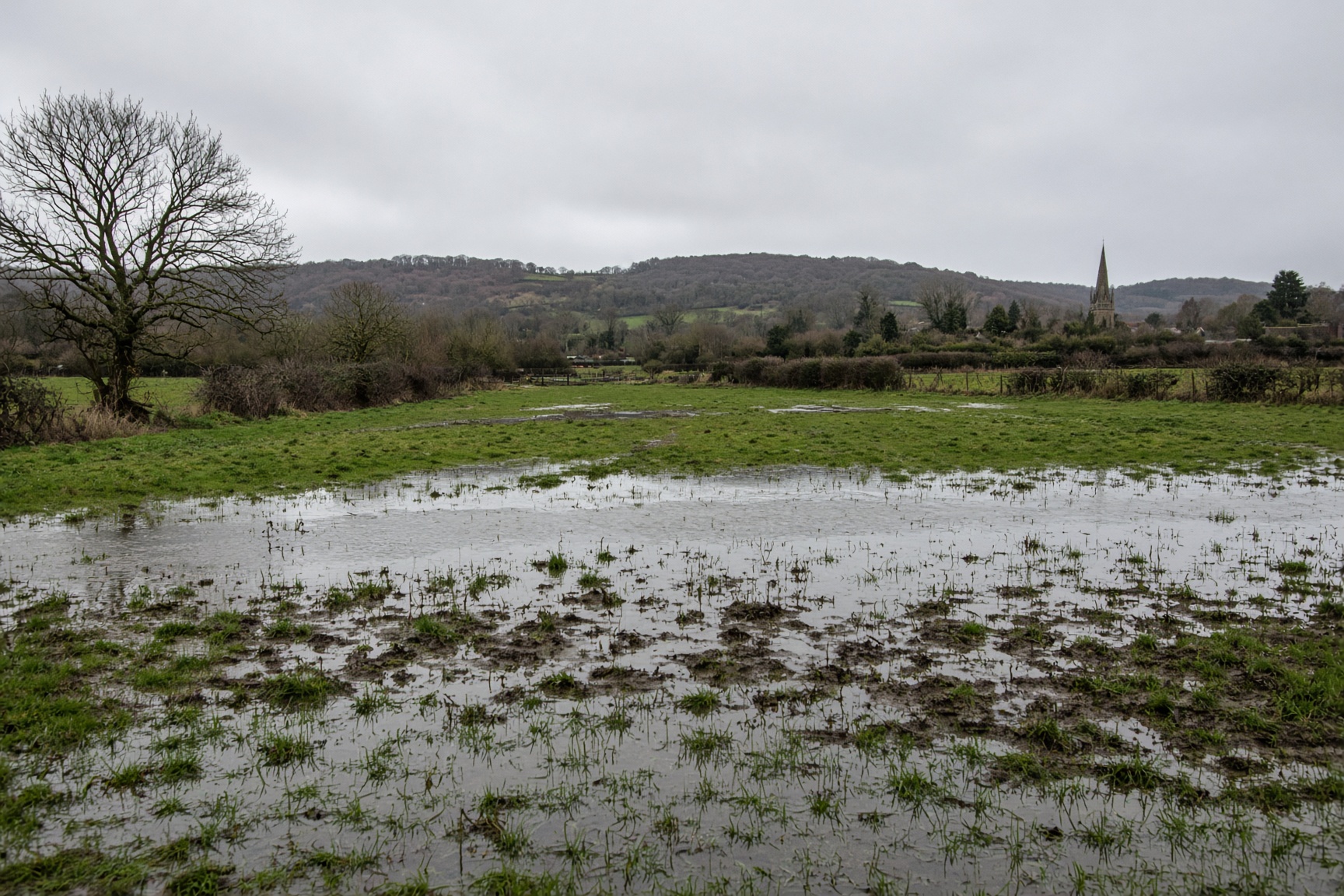
Wastewater capacity is not the only drainage concern identified in the application. Site inspections have recorded evidence of existing surface water problems, including standing water, ponding, blocked drainage infrastructure and failed drainage pumps.
Because of the site’s topography and ground conditions, parts of the proposed drainage network would also require significant attenuation storage and pumped systems rather than relying entirely on gravity drainage.
This adds another layer of infrastructure that would need to be installed, operated and maintained.
Another costly infrastructure requirement?
The wastewater proposals come on top of other infrastructure concerns already identified within the application. Wrong Plan. Wrong Site. has previously highlighted the proposed reliance on diesel generators and the potential costs associated with fuel supply, maintenance and long-term operation.
When considered together, the application raises wider questions about the amount of temporary and permanent engineering required to make the site function.
Daily sewage tankering, pumped drainage systems, flood attenuation measures and diesel generation all carry financial and operational consequences. They also raise questions about resilience, sustainability, carbon emissions and value for public money.
The key question
The issue is not whether engineering solutions might eventually be found.
The question is whether sufficient evidence exists now to demonstrate that a reliable, affordable and sustainable infrastructure solution is in place.
The applicant’s own documents show that sewer capacity remains unconfirmed, wastewater treatment arrangements are unresolved and temporary sewage tankering may be required from the first phase of occupation.
Wrong Plan. Wrong Site. believes these are fundamental issues that should be resolved before any decision is made.
Residents and decision-makers deserve clear answers on:
- whether sufficient capacity exists within the local sewer network;
- whether Bicester Wastewater Treatment Works can accommodate the development;
- how long sewage tankering could be required;
- what the full lifetime cost of wastewater management would be;
- what the permanent foul-water solution will be;
- what environmental permits will be required;
- and what the wider implications are for infrastructure resilience, sustainability and public expenditure.
For a proposal of this scale, these are not minor technical details.
They go directly to whether MOD Bicester Site A is the right site for this development at all.